
 Feedback
Integrating Durable Roof Hatches in Commercial Flat Roofing: A Contractor's Guide to Weatherproofing
Posted by Best Access Doors on 26th Feb 2026
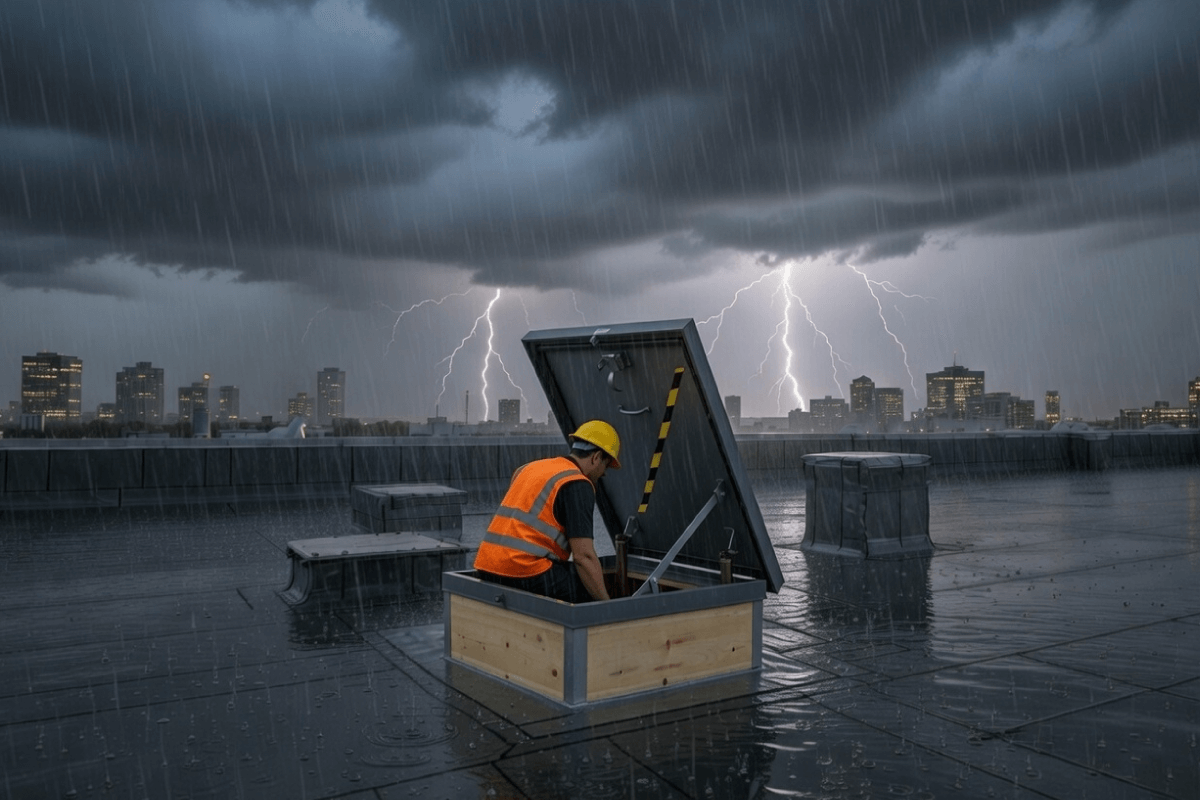
For those who own commercial buildings, ensuring these spaces will be operational for years to come is of the utmost importance. That’s why many commercial buildings utilize flat roofing. This type of roofing is cost-effective and durable if built correctly. However, there are some disadvantages. Namely, how do you access the roof easily and safely? That’s where roof hatches come into play.
Installing roof hatches is a simple solution for those commercial buildings with flat roofing. These hatches offer superior accessibility and can alleviate a lot of pain points that come along with maintaining a commercial building with a flat roof. That said, whenever you cut a hole in your roof, even when installing a hatch, you open yourself up for the possibility of issues, especially if there is inclement weather.
Why Flat Roofing Is Used for Commercial Spaces
First, and probably foremost, is the cost-effectiveness of a flat roof. Unlike pitched roofs, often found in residential buildings, flat roof construction is much simpler, therefore more affordable. Additionally, a flat roof is often easier to maintain, which means you won’t have to spend an arm and a leg to repair them.
Finally, this is an incredibly durable style of roofing, which is important when building a commercial space. Different commercial flat roofing materials require their own maintenance considerations, but all are still durable and will last for years to come.
Importance of Weatherproofing
Unfortunately, no roof, flat or not, is fully immune to the elements. Depending on where you are located, there are many environmental factors that can quickly erode a roof. Rain, snow, excessive heat, sunlight, and other factors can all affect the long-term durability of your roof.
This is especially the case when it comes to flat roofs. Unlike pitched roofs, flat roofs don’t have an easy way to combat common weather issues. Snow and water can collect. Sunlight beats down on it constantly. That’s why it is critical to weatherproof your roof.
Too much water from intense rainfall can create a ponding effect on your roof, potentially reducing the structural integrity. Immense snowfall can build up, creating various issues, as well. Obviously, the last thing you want to worry about with a commercial space is the potential for roof failure. Not only will it create chaos for your business, it will likely come with a huge price tag to repair.
Needless to say, it’s imperative that weatherproofing be a top consideration for someone who owns a commercial building with a flat roof.
Advantages of Installing Roof Hatches
If a commercial building has a flat roof but doesn’t include any roof hatches, there are some serious potential issues. The most obvious one is how to access the roof. Often, you’ll see complicated scaffolding or ladders on the side of a commercial building that doesn’t have roof hatches. The OSHA requirements for roof ladder safety are particular, and these “solutions” might seem adequate enough at first, but over time, you’ll notice how inconvenient (and potentially unsafe) these might actually be.
Quality roof hatches are a great way to gain easy access to a flat roof. With a roof hatch, you can access your flat roof by an internal ladder or set of stairs. This is a real solution for those who need access to a roof on a regular basis. They make equipment checks, routine inspections, and repairs incredibly simple.
There are also safety considerations to take into account when deciding to integrate roof hatches. In an emergency situation where people need to quickly get to the roof, having a safe and secure method to do so could actually save lives.
Roof Hatch Durability and Weatherproofing
So, knowing how important roof hatches are for commercial buildings is one thing, but how do you ensure they’re durable and weatherproof? As mentioned above, cutting a hole in your roof to install a hatch opens you up to the potential of having weatherproofing and structural concerns.
As far as structural concerns go, it’s crucial to ensure the installation is overseen by qualified commercial roofing professionals. As long as you go with a trusted company, you should have zero worries about the structural integrity of your flat roof.
Weatherproofing, on the other hand, should always be something to keep in mind when installing roof hatches. The last thing you want is for your building to have a leaky roof, which could lead to health issues, such as mold, and structural concerns if the materials become compromised from excessive water.
After choosing the right roof hatch for your building, it’s important to use quality insulation and strong, durable gaskets. The goal is to prevent any sort of leak, and to do so with products that can withstand the elements. In addition, including high-quality gasketing and insulation will prevent heat loss, which increases the energy efficiency of the building.
Modern roof hatches often include an integrated gasket. When sealing the hatch, be sure to use UV-resistant elastomeric sealants where applicable. In addition to the gasket, proper insulation (to reduce heat transfer in and out of the building), and using the correct sealant, you’ll want to install flashing to divert water away from the gasket seal. Here are some recommended flashing types based upon roofing type:
| Roofing Type | Recommended Flashing |
|---|---|
| TPO / PVC | Heat-welded membranes; termination bar with sealant |
| EPDM | Seam tape + adhesive + cover strip |
| Built-Up Roof (BUR) | Multi-ply step flashing with metal counter-flash |
| Modified Bitumen | Torch-on or self-adhesive flashings |
Other Roof Hatch Considerations
Installing a hole in your flat roof could be an issue if someone isn’t paying attention when performing work. It’s a tripping hazard, of course, but if it’s left open, it could lead to serious injury if someone were to fall through it. This can be greatly mitigated by including some railing around the hatch.
In terms of security, you can easily install a locking mechanism that will ensure someone won’t be able to gain easy access to your building from the roof, unless they have the key.
Durable, Weatherproof Roof Hatches Are a No-Brainer
Even with a few minor disadvantages (which can be quickly eliminated if installed correctly), there are far more reasons why integrating durable, weatherproof roof hatches is an easy choice for commercial buildings. Ease of access, increased energy savings, enhanced safety, and even the potential of additional lighting through skylights are all reasons why roof hatches should be considered for commercial buildings with flat roofs.
Share our story - the 2025 version is available