
 Feedback
How Do Access Doors and Panels Benefit Construction Projects?
Posted by Best Access Doors on 28th Jan 2026
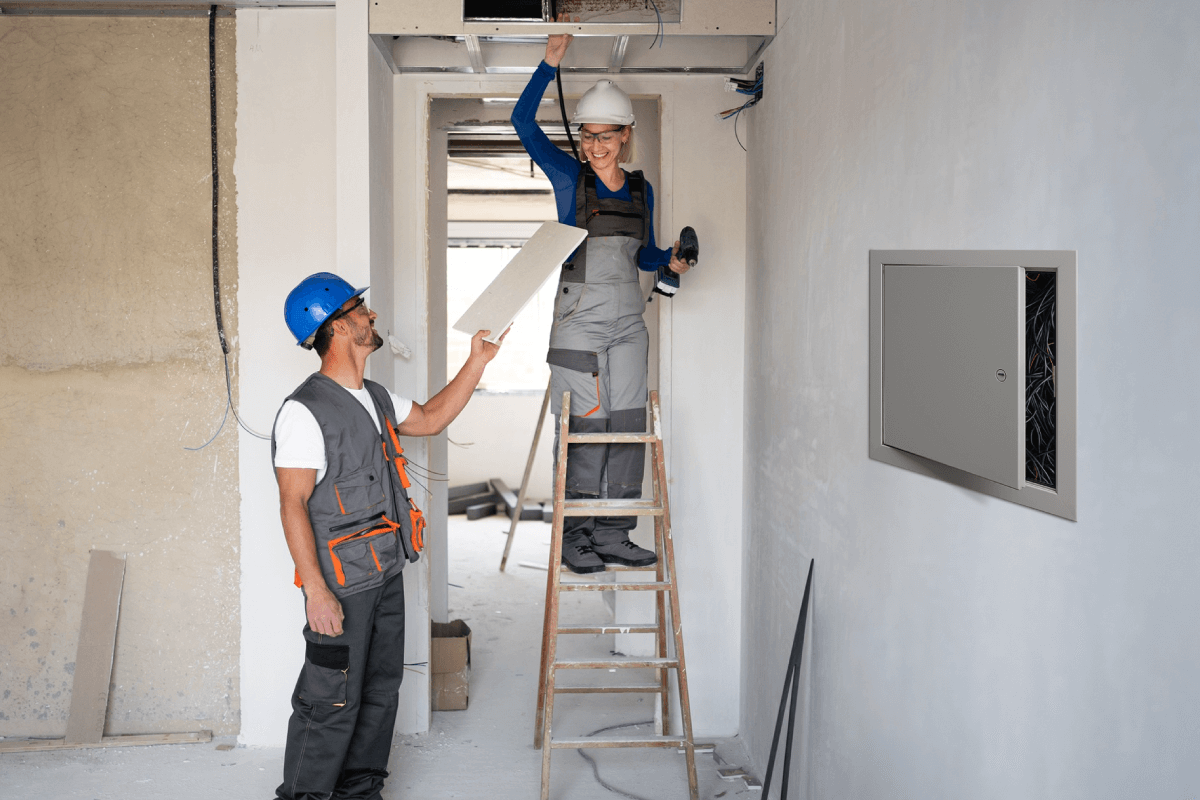
Access doors and panels benefit construction projects by providing convenient access to building systems while maintaining safety, efficiency, and a clean appearance. They allow quick entry to plumbing and HVAC components concealed behind walls, ceilings, or floors, making inspections and repairs faster and more efficient. This practical feature saves time, reduces maintenance costs, and keeps essential systems functioning properly.
In this article, we’ll discuss how access doors and panels improve accessibility, ensure construction safety and compliance, enhance energy performance, and add long-term value to all construction projects.
How Do Access Doors and Panels Support Safety and Compliance?
Access doors and panels, like the ED-2002 - Universal Flush Economy Access Door, support safety and compliance by securely enclosing sensitive areas that require controlled access. They prevent unauthorized electrical or mechanical system handling, protecting occupants and workers from potential hazards.
By creating organized and easily identifiable access points, these products make it simpler for technicians, inspectors, and maintenance teams to work effectively within regulated environments.
In addition, modern access doors and panels are designed to comply with construction codes, safety guidelines, and accessibility regulations. By providing clearly designated entry points for building maintenance and inspection, they help meet standards set by local authorities.
Can Access Doors and Panels Help Improve Energy Efficiency?
These components help improve energy efficiency by preventing air leakage and maintaining stable indoor temperatures through secure, well-sealed construction. By keeping conditioned air inside and blocking drafts, they reduce energy waste and ease the load on HVAC systems, lowering heating and cooling costs throughout the building’s life span. Beyond temperature control, well-insulated access panels also help manage moisture and condensation levels, protecting insulation and structural materials from damage that could compromise energy performance.
In sustainable and LEED-certified projects, their precise fit and durable materials contribute to airtight construction standards and long-term operational efficiency. By addressing thermal and moisture control, these panels support a balanced indoor environment that enhances occupant comfort, preserves building integrity, and reduces the overall environmental footprint.
How Do Access Doors and Panels Enhance Building Design?
Access doors and panels enhance commercial building design by combining practicality with refined visual appeal. They integrate smoothly into walls, ceilings, and floors, maintaining clean lines and a cohesive look while allowing essential systems to remain accessible. Their ability to match finishes, textures, and colors ensures they complement the surrounding architecture rather than disrupt it.
This seamless integration supports modern design principles, where aesthetics and functionality work together to create balanced, efficient spaces.
What Types of Access Doors and Panels Are Common in Construction?
The most common types of access doors and panels used in construction include general-purpose, insulated, security, exterior, and specialty models, each serving a unique purpose depending on the building’s layout, environment, and maintenance needs.
These variations allow builders to select the right solution for accessibility, protection, and long-term performance.
General-Purpose Access Panels
General-purpose panels are widely used in residential and commercial buildings. They provide simple access to hidden systems behind walls or ceilings. These panels are easy to install, cost-effective, and ideal for routine maintenance or inspection without special conditions.
Insulated Access Doors
Insulated access doors maintain temperature stability and prevent heat transfer between rooms or compartments. They are often used in energy-efficient buildings, cold storage facilities, and mechanical rooms where temperature regulation is crucial. The insulation helps reduce energy consumption while protecting temperature-sensitive equipment and systems.
Security Access Panels
Security panels are built from reinforced materials and equipped with locking mechanisms to prevent unauthorized access. They are commonly installed in places that house valuable equipment or sensitive systems, such as hospitals, laboratories, government facilities, and data centers. These panels enhance building safety and system integrity by limiting access to trained personnel.
Exterior Access Doors
Exterior access doors are designed to withstand outdoor elements. Made from weather-resistant materials like aluminum or galvanized steel, they resist corrosion, moisture, and temperature extremes. These doors are commonly found on rooftops, exterior walls, and utility areas where durability and environmental protection are priorities.
How Should Access Doors and Panels Be Installed in a Building?
Access doors and panels should be installed carefully to provide safe, convenient, and long-lasting access to concealed systems without compromising the structure’s integrity or appearance. Correct placement, secure fitting, and proper sealing are essential to ensure functionality, durability, and a clean finish.
Determine the Right Installation Location
The first consideration when installing a system is the location. Access doors and panels should be positioned where building systems can be reached easily and safely. The area must have sufficient clearance for technicians to perform maintenance without obstruction. Placing panels in accessible yet discreet spots allows efficient servicing while maintaining a neat appearance.
Prepare the Surface for Installation
Before installation, it’s essential to ensure that the surface is properly prepared to achieve a clean and secure fit. The area where the access panel will be mounted should be smooth, level, and free from dust, grease, or construction debris that could interfere with adhesion or alignment. The opening must be accurately cut to match the panel’s specified dimensions.
Double-check measurements before cutting drywall or tile. Then, use appropriate framing or reinforcement to support the access panel’s weight. Ensuring that corners are square and edges are straight helps maintain a seamless appearance once the panel is installed. A precisely prepared surface allows the access door to sit flush with the surrounding material, enhancing its function and aesthetic value.
Secure the Frame and Door
Once the opening is prepared, the panel’s frame should be inserted and secured with appropriate fasteners based on the wall or ceiling material—such as screws for drywall or anchors for concrete. The door must open and close smoothly and fit securely in the frame. For areas that require restricted access, lockable or tamper-resistant options help maintain safety and security.
Seal and Finish the Installation
Proper sealing is essential, especially for panels installed in high-moisture or exterior environments. Applying caulking or weatherproof sealant around the frame prevents air or water leakage and protects the building from moisture damage. For interior use, painting or texturing the panel to match surrounding surfaces creates a seamless and professional finish.
To Sum It Up
Access doors and panels benefit construction projects in more ways than one by improving accessibility, safety, efficiency, and overall building performance. They are essential for ongoing maintenance and inspection, helping reduce repair time, lower labor costs, and prevent damage to finished surfaces.
By allowing easy access to hidden systems, critical building components remain in good working condition throughout the structure’s lifespan, supporting long-term reliability and minimizing costly disruptions.
Share our story - the 2025 version is available