
 Feedback
How to Meet Carbon Targets & Boost Bid Success with Sustainable Construction
Posted by Best Access Doors on 26th Jan 2026
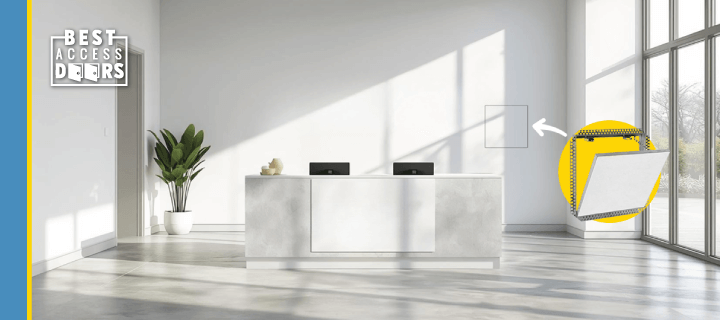
Sustainable construction helps contractors align energy performance, compliance, and cost control from the outset, making it easier to meet carbon targets and secure more commercial bids.
Today, carbon reduction is a measurable factor in how bids are evaluated, approved, and awarded. This is especially true for many public-sector and sustainability-driven projects. As such, these projects require clear evidence that buildings will meet set energy efficiency and operational carbon targets.
For contractors, estimators, and bid managers, the challenge is to deliver on these requirements without increasing costs or introducing coordination risks.
The most effective strategies focus on proven, specification-level decisions that support building performance targets. Components like access doors and panels play an important role in contributing to thermal performance, compliance documentation, and long-term efficiency outcomes.
Why Are Carbon Targets Now a Factor in Commercial Construction Bid Success?
Carbon targets influence the success of commercial construction bids because clients now evaluate sustainability performance alongside price, schedule, and technical compliance.
Scored Requirement in Bids
Carbon reduction is no longer optional or buried in small-print RFP language. Many commercial and public projects assign points to commercial building sustainability metrics such as operational carbon, energy efficiency, and alignment with commercial energy standards.
A bid that fails to meet these targets can fall short, even if it offers the lowest price or best schedule. For contractors, this means construction bid sustainability is a measurable performance metric that can directly influence award decisions.
Regulatory and ESG Pressures
Regulatory mandates, corporate ESG commitments, and growing concern over long-term operating costs fuel this shift.
Governments, healthcare organizations, and institutional owners increasingly require documented proof that projects meet carbon and energy performance targets.
These expectations go beyond compliance. They reflect broader societal and environmental accountability. Bidders must therefore consider sustainability a core criterion for evaluation.
Standard Early Review of Carbon Compliance
Public-sector bodies often review carbon disclosures, energy modeling assumptions, and sustainable specifications early in the bid process. This sometimes happens before final pricing is considered.
As a result, contractors must plan and document their sustainability strategies from the start. Missing this early window can lead to lost points, requests for clarification, or even disqualification.
Long-Term Building Performance
For contractors, winning bids requires showing that a building will perform efficiently for decades.
Selecting materials and components that support energy efficiency helps reduce perceived compliance risk. It gives evaluators confidence that the building will meet performance targets without costly modifications in the future.
Competitive Advantage
Beyond compliance, demonstrating strong carbon performance can differentiate a bid from competitors. Owners reward projects that show measurable energy savings, lifecycle efficiency, and alignment with sustainability goals.
Contractors who can clearly document strategies—such as using energy-efficient materials, gasketed access panels, and optimizing thermal performance—gain credibility. They improve their scoring and position themselves as leaders in carbon target construction.
Discover our energy-efficient access panels, which reduce long-term energy consumption and help meet carbon reduction targets in construction bids. See practical, sustainable material choices that strengthen bids.
Related: Why Are Energy-Efficient Access Doors More Important Now Than Ever?
How Do Sustainable Material Choices Impact Lifecycle Carbon and Operating Costs?
Sustainable material choices reduce lifecycle carbon and operating costs by lowering long-term energy demand, not just embodied emissions.
- Improve Thermal Performance: Materials that enhance insulation and reduce thermal bridging lower heating and cooling demand over the building's lifespan. This applies to all elements, including access doors and panels. If poorly specified, they can undermine overall thermal performance.
- Reduce Air Leakage and Uncontrolled Energy Loss: Sustainable material choices prioritize tighter tolerances and better sealing. Across walls, ceilings, and service openings, this reduces air leakage that forces HVAC systems to work harder. Well-designed access panels help prevent these weak points from becoming long-term energy loss.
- Reduce Degradation: Materials designed for durability minimize wear, damage, and repairs that compromise energy performance. In areas requiring frequent access, such as service zones, these access panels help protect the surrounding envelope from gradual efficiency losses.
- Lower Ongoing HVAC Operational Costs: By reducing energy losses across all materials, HVAC equipment can operate more efficiently. Over decades, these incremental gains contribute to lower carbon and operating costs.
- Align with Commercial Energy Standards: Sustainable material choices help maintain compliance with evolving energy standards throughout the building's lifecycle. Components like access panels play a supporting role by ensuring that performance assumptions remain valid long after handover.
Related: LEED-Certified Access Panels: Top Choices for Sustainable Architecture
How Can Contractors Meet Carbon Targets without Increasing Project Risk or Cost?
Contractors can meet carbon targets without increasing risk or cost by prioritizing components that support energy efficiency, with minimal impact on workflow.
Sustainable construction doesn't have to add cost or complexity. Smart sustainability
- Prioritize energy-efficient components already required. For example, since access panels are mandatory for wall and ceiling access, choosing LEED-certified panels improves thermal performance without adding scope or cost.
- Select standardized, proven products. Standardized materials, such as modular panels or prefabricated elements, reduce installation time, minimize substitutions, and ensure predictable energy performance.
- Align components with energy models. Materials with known thermal, air-tightness, or efficiency characteristics validate operational carbon assumptions and prevent costly post-construction adjustments.
- Focus on durability and low maintenance. Long-lasting, corrosion-resistant materials minimize the need for replacement and repair throughout the building's lifecycle. As a result, it cuts embodied carbon and lifecycle costs.
- Integrate sustainability into routine procurement. Including performance specifications (e.g., insulation value, LEED credit, air leakage limits) in bid documents helps embed carbon targets without extra approvals or workflow changes.
For bid teams, this approach simplifies sustainability narratives. Instead of abstract commitments, they can point to tangible specifications that support low-carbon building strategies.
Related: How Can Access Doors Contribute to a Building's LEED Certification?
How Does BA-IVHDF Support Sustainability and Efficiency Goals?
The BA-IVHDF Invisa Hatch Drywall Inlay with Fully Detachable Hatch and Mud-in Flange supports sustainability and efficiency goals in several ways.
- Preserves wall integrity and thermal performance by laying flush with the drywall surface. The flush fit reduces gaps that can contribute to air leakage and long-term energy loss.
- Supports durable, low-maintenance construction through high-grade, corrosion-resistant aluminum. This extends product lifespan, reducing replacement-related material waste.
- Reduces rework and finish repairs thanks to the mud-in flange and invisible finish, minimizing material use during installation and future access.
- Encourages efficient maintenance access with a fully detachable hatch, enabling quicker servicing without damaging surrounding materials.
- Aligns with efficient, standardized construction practices by integrating with common drywall assemblies, supporting predictable performance and lifecycle value.
Ready to save on lifecycle energy costs without extra upfront budget? Request a quote for sustainable access panels, such as the BA-IVHDF, and strengthen your bid against competitors.
Frequently Asked Questions About Sustainable Construction
1. How can contractors meet carbon targets without increasing project costs?
Contractors can achieve carbon reduction goals by choosing sustainable components that integrate seamlessly into existing workflows. Examples include energy-efficient materials and LEED-certified access panels, standardized products, and durable components that reduce long-term maintenance and operational energy costs.
2. Why are carbon targets important in commercial and public construction bids
Carbon targets are now a scored requirement in many bids. Clients evaluate operational carbon, energy efficiency, and compliance with commercial energy standards alongside price and schedule. Meeting these targets strengthens bid competitiveness and demonstrates long-term sustainability performance.
3. How do sustainable materials impact lifecycle carbon and operating costs?
Sustainable materials lower both embodied and operational carbon by improving thermal performance, reducing air leakage, and minimizing maintenance needs. For example, insulated access panels help prevent energy loss while reducing repair and replacement requirements over a building's lifespan.
4. What role do access panels play in energy efficiency and sustainability?
Access panels maintain the integrity of the wall and ceiling envelope, reduce air leakage, and support energy-efficient building systems. Products like the BA-IVHDF access door offer a flush, durable design that minimizes energy loss while allowing for easy maintenance without damaging surrounding finishes.
5. How can bid teams document sustainability effectively for carbon-conscious projects?
Bid teams can include specification-level evidence, such as energy-efficient components, LEED-certified access panels, and performance-tested materials. Linking these choices to energy modeling assumptions, lifecycle savings, and operational carbon reductions helps create clear, measurable sustainability narratives that evaluators can trust.
Conclusion
Sustainable construction improves bid success when it's treated as a performance strategy, rather than a nice-to-have.
Carbon targets increasingly shape which commercial projects move forward. Contractors who understand how material and component choices affect energy efficiency are better positioned to compete. Sustainable specifications don't need to be disruptive to be effective.
Energy-efficient access panels, such as the BA-IVHDF, demonstrate that informed decisions contribute to more significant sustainability outcomes. Ultimately, winning bids in today's market means delivering buildings that perform as promised.
Got questions about sustainable material installation without schedule risk? Contact us today to see how our solutions align with your project goals. Call our team at +1-888-327-5471.
Share our story - the 2025 version is available