
 Feedback
Why Commercial Retrofit Activity Is Driving Demand for Access Panel Solutions
Posted by Best Access Doors on 9th Feb 2026
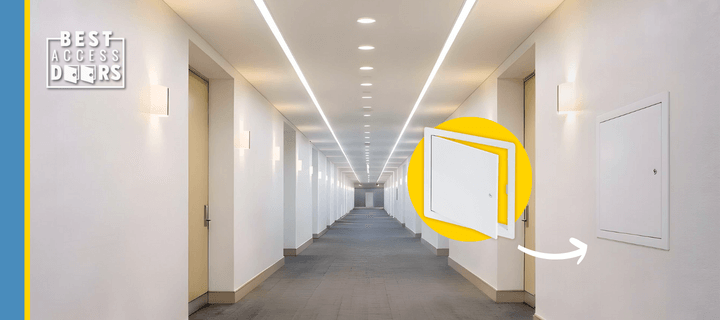
Commercial retrofit construction is driving demand for access panel solutions because existing buildings rarely reveal all conditions upfront, forcing contractors to seek flexible access solutions that can adapt.
As systems, constraints, and requirements are uncovered during renovation, so are access needs. Across commercial properties, retrofit projects are accelerating as owners:
- Modernize aging infrastructure
- Repurpose spaces
- Upgrade occupied buildings, or
- Renovate for sustainability reasons.
Unlike new construction, these projects often begin with incomplete drawings, undocumented modifications, and concealed MEP systems. Contractors gain clarity as work progresses.
In such cases, even minor surprises can trigger demolition, rework, schedule delays, and unnecessary disruption for tenants. This post explains why the rise in commercial retrofit construction is reshaping how access panels are specified, planned, and installed.
Why Is Commercial Retrofit Activity Increasing across Multiple Sectors?
Commercial retrofit activity is rising because building owners and managers are upgrading spaces to:
- Meet modern standards
- Accommodate new uses
- Extend the life of existing assets
Across multiple sectors, these renovations are becoming more frequent, complex, and time-sensitive, which is driving demand for adaptable access doors and panel solutions.
Key drivers behind this trend include:
- Change-of-Use Projects: These are more common as buildings are repurposed. For example, converting older office space into medical clinics, labs, or mixed-use developments. Such projects require upgrades to mechanical, electrical, and plumbing systems.
- Regulatory and Compliance Updates: Code updates push owners to retrofit to stay compliant. These include energy efficiency, fire performance, and accessibility standards, even when the building is still in active use.
- Technology and Infrastructure Modernization: Upgrades force retrofits to accommodate new wiring, sensors, and service systems that weren't part of the original construction.
- Sustainability and Environmental Goals: Sustainable building also drives commercial renovations. Reducing energy waste, improving air quality, and lowering carbon footprints drive building upgrades aligned with corporate ESG objectives.
Universally adaptable access solutions help contractors navigate unpredictable conditions while protecting schedules, budgets, and building operations.
Stop tearing into finished walls. Specify universal access panels that simplify access planning and reduce costly rework across commercial building upgrades.
Related: Which Access Panels Work Best in Retrofit and New Construction Projects?
What Access Challenges Are Unique to Retrofit and Upgrade Projects?
Retrofit access challenges revolve around uncertainty, space limitations, and operational constraints. Contractors are often forced to work around existing walls, ceilings, and mechanical systems that weren't designed with future access in mind.
In these scenarios, a standard, fixed-size access panel can quickly become a source of delays and rework.
Hidden Systems Create Surprises
Ductwork, wiring, plumbing, and structural elements often don't match the drawings in retrofits. Contractors may discover hidden pipes or electrical systems way into their renovation.
If an access panel has a fixed size or location and can't be adjusted or resized in the field, contractors might discover that it doesn't provide access to the system they need.
When that happens, renovators may have to cut new openings in walls or ceilings or remove previously installed finishes to reach the system. This is time-consuming, costly, and creates extra work that could have been avoided with flexible panels.
Fire-Rated and Finished Assemblies Add Complexity
Many retrofit areas need fire-rated access doors for rated walls and ceilings. Access solutions must allow service entry without compromising these assemblies or risking code violations.
Legacy and historical buildings also often include structural constraints that limit the ability to modify systems and finishes. For access solutions, this sometimes means opting for custom access panels that can be tailored to fit odd openings and unique finishes.
Space Constraints Limit Options
Narrow wall cavities, tight ceiling areas, and densely packed equipment can prevent standard panels from fitting or being serviced easily. Adaptable access solutions are essential to avoid destructive modifications.
Occupied Spaces Intensify Challenges
Renovations often happen in stages while the building is in use. Contractors need access solutions that allow quick entry for inspections, maintenance, or upgrades without shutting down operations or inconveniencing tenants.
Related: How Do Custom Access Panels Fit Unique Commercial Layouts Without Costly Changes?
How Do Universal Access Panels Reduce Demolition and Rework in Existing Buildings?
Universal access panels reduce demolition and rework by providing standardized solutions that simplify specification, installation, and coordination on commercial retrofit projects.
Simplifying Installation in Unpredictable Conditions
In existing building conditions with hidden systems and structural variations, universal access panels provide a consistent solution. It can be specified for various use cases, across walls, ceilings, and different trades.
The flexibility reduces the need for rework, minimizing disruptions to finishes.
Supporting Phased and Occupied Renovations
During phased renovations or projects with active tenants, retrofit access solutionsallow multiple trades to perform inspections, upgrades, or maintenance safely. They do so without shutting down occupied spaces.
Standardized panels reduce the logistical challenges of coordinating work in tight or live environments.
Streamlining Coordination across Trades
When multiple teams need access to the same areas, universal retrofit panels provide a familiar, predictable interface. This reduces conflicts between MEP trades and prevents repeated demolition. It makes it easier for HVAC, electrical, plumbing, and other trades to work together efficiently.
Enhancing Long-Term Maintenance
Beyond the retrofit, universal access panels ensure systems remain accessible for future inspections or upgrades.
Contractors and facility managers can complete maintenance tasks without creating new openings or damaging existing finishes. Proper system maintenance access protects the integrity of commercial building upgrades over time.
Simplify access for even the most complex retrofits. Request a quote and ensure smooth access to hidden systems without tearing out walls or disrupting occupants. Call us at +1-888-327-5471 today.
How Does the BA-UAP Support Flexible Access in Commercial Retrofits?
The BA-UAP Universal Access Panel provides a single, reliable solution for a variety of applications. Key features and benefits include:
- Versatile accessibility for multiple retrofit needs, with a standardized, multipurpose design. Contractors can use it throughout commercial spaces, from utility closets to ceilings, simplifying planning and service access across phased renovations.
- Durable and robust construction featuring 16-gauge cold-rolled steel and a high-quality white powder coat. The BA-UAP is built to withstand regular use.
- Flush design with a 1" exposed flange ensures it blends seamlessly with walls and ceilings, while remaining sturdy enough for frequent inspections or maintenance.
- Reliable operation with a hot-rolled, stamped pin hinge that provides smooth and secure operation for panels up to 24". For larger sizes, a continuous piano hinge prevents sagging or warping.
- Flexible security and customization options are available. These include multiple latch options for different levels of security and a stainless steel finish that further enhances corrosion resistance and aesthetics.
- It supports sustainability goals for commercial projects upgrading to meet ESG standards. Its coating and material choices contribute to LEED certification, demonstrating that the BA-UAP access panel aligns with environmentally responsible building practices.
Related: Why Do Architects Love the BA-UAP Universal Access Panel? Find Out!
FAQs About Commercial Retrofit Construction
1. Why are universal access panels important for commercial retrofit projects?
Universal access panels like the BA-UAP simplify retrofit projects by providing an adaptable access solution for use across different surfaces and trades. As a result, they reduce demolition, prevent costly rework, and maintain building operations during renovations.
2. How do access panels reduce disruption in occupied commercial buildings?
Flexible retrofit access panels allow contractors and multiple trades to perform inspections, maintenance, or upgrades without shutting down spaces. Their standardized design minimizes interruptions to tenants and ensures that renovations progress efficiently in active buildings.
3. Can universal access panels fit unusual wall or ceiling conditions in older buildings?
Yes. Universal access panels are designed for flexibility, making them ideal for tight spaces. They can also be customized to fit narrow wall cavities or non-standard openings. This adaptability helps contractors avoid destructive modifications while maintaining finished surfaces in heritage or historical structures.
4. What features should I look for in a commercial access panel for retrofit projects?
Look for panels that offer:
- Versatile accessibility
- Durable construction (like 16-gauge cold-rolled steel)
- Flush design for aesthetics
- Smooth hinge operation
- Customizable options, and
- Environmental sustainability features.
BA-UAP meets all these criteria for retrofit applications.
Conclusion
Commercial retrofit projects demand adaptable, reliable access solutions. By standardizing access across existing building conditions, these panels simplify installation, reduce demolition and rework, and make coordination across trades more predictable.
For contractors, project managers, and facility teams, using access panels like the BA-UAP means less disruption to occupied spaces. It also means smoother commercial building upgrades and easier long-term maintenance.
Retrofit access solutions that are universal, reliable, and standardized deliver predictable outcomes even in complex, occupied buildings.
Contact our team to plan retrofit access solutions with minimal disruption. Get expert guidance on access panels that reduce demolition, streamline trade coordination, and protect project schedules.
Share our story - the 2025 version is available