
 Feedback
How to Optimize Inspections and Maintenance in HVAC, Electrical, and Plumbing Systems
Posted by Best Access Doors on 29th Apr 2026
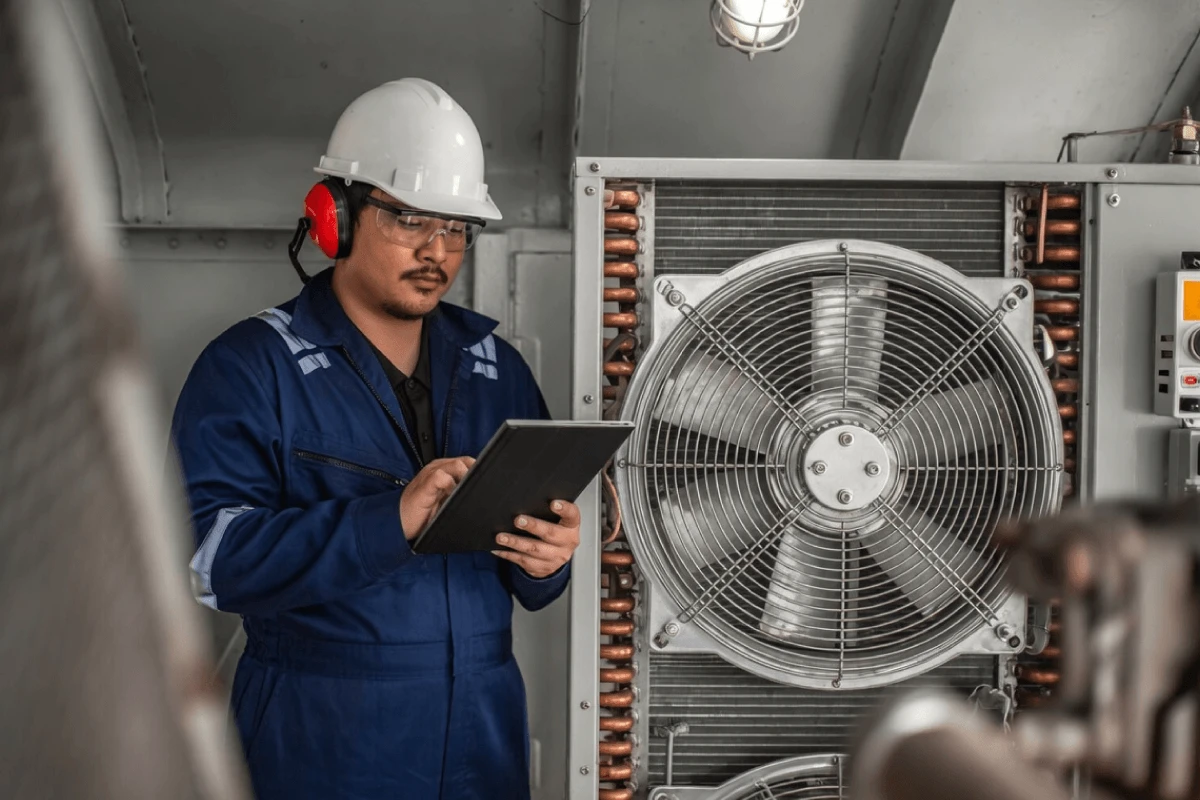
In a commercial or industrial building, HVAC, electrical, and plumbing failures are rarely random. They are the accumulated result of inspections done too late, components that could never be reviewed because of poor access, and corrective maintenance that replaced preventive maintenance because no one had time to plan it.
The difference between an operation that fails every month and one that runs without interruption isn’t in the quality of the equipment — it’s in the inspection and access system around it. Below we share the approach we apply at HomePro in industrial plants, corporate offices, and retail chains across Mexico, and how the physical design of a building — including something as seemingly simple as access doors — determines whether preventive maintenance is viable or just an aspiration.
The Real Cost of Not Inspecting on Time
When an HVAC, electrical, or hydraulic system fails in operation, the direct cost of the repair is usually the smallest component. What hurts is:
- Operational downtime: An idled industrial plant loses production by the hour; an office without air conditioning loses productivity; a restaurant without refrigeration loses inventory.
- Collateral damage: An undetected plumbing leak damages floors, walls, and adjacent electrical equipment. A failing electrical capacitor can burn out an entire control board.
- Emergency response cost: Mobilizing technicians after hours, buying parts at rush prices, and paying overtime multiplies the repair cost by 2x to 4x.
In our experience working with industrial plants like Gerdau Corsa, a structured inspection and preventive maintenance program reduced critical failures by 85% across three plants. The savings didn’t come from faster technicians — they came from catching problems before they became emergencies.
Principle 1: If You Can’t Access It, You Can’t Maintain It
The most common mistake we see in Mexican buildings is that critical systems get sealed behind walls, drop ceilings, or panels without adequate access points. The predictable result: preventive maintenance gets postponed because opening the wall costs more than the service itself.
The points where access doors and panels are non-negotiable:
- HVAC ducts in drop ceilings — for coil cleaning, inspection of motorized dampers, and access to balancing valves.
- Electrical panels and load centers hidden in common areas — they need controlled but available access.
- Plumbing cleanouts behind walls — especially in bathrooms, commercial kitchens, and areas with hot water connections.
- Main shut-off valves (water, gas, compressed air) — must be reachable in under 60 seconds in an emergency.
When we’re hired to design a maintenance program in an existing building, the first audit isn’t of the equipment — it’s of the access. If a technician needs more than 15 minutes to physically reach the component they’re supposed to inspect, preventive maintenance becomes unviable in practice.
Principle 2: Inspection Is a Process, Not a Visit
A frequent mistake: hiring a technician to “check the system” without a documented protocol. The result is a subjective inspection that depends on that technician’s experience that day.
Industrial and commercial HVAC and refrigeration maintenance requires specific checklists by equipment type. For example, on a rooftop packaged unit:
- Measurement of high- and low-side pressures in the refrigeration circuit.
- Compressor discharge temperature.
- Fan motor amperage (evaporator and condenser).
- Condition of filters, coils, and condensate pan.
- Inspection of the contactor, start capacitor, and control board.
- Verification of thermostat and operating sequence.
Each point is documented with a numeric value, not with “ok” or “working.” An amperage within spec today that is 15% higher than last month’s reading is a failure in development — but only if last month’s reading exists.
The same principle applies to commercial electrical installations: infrared thermography of panels, phase-imbalance measurement, torque-verified tightening of connections with a calibrated wrench, and harmonic analysis on installations with non-linear loads.
Principle 3: Frequency Adapted to Usage, Not the Calendar
Servicing an office HVAC system at the same frequency as one in a commercial kitchen is either wasteful or negligent — never both at the same time.
| System | Typical Use | Minimum Frequency |
|---|---|---|
| Corporate office HVAC | 10 hrs/day, 5 days/week | Quarterly |
| Kitchen/restaurant HVAC | 14+ hrs/day, 7 days/week | Monthly |
| Industrial plant HVAC | 24/7 operation | Biweekly to monthly |
| General electrical panels | Continuous | Semi-annual + annual thermography |
| Commercial plumbing | Continuous | Quarterly + monthly visual inspection |
| Pumps and pressure equipment | Variable | Monthly |
These are the minimum frequencies. In aggressive environments (coastal humidity, industrial dust, extreme temperatures), they should be adjusted upward.
Principle 4: Documentation That Outlives the Technicians
Maintenance that isn’t documented doesn’t exist. In a company with turnover of maintenance personnel — in-house or contracted — the history is the only asset that protects the building.
The minimum that must exist for each critical piece of equipment:
- An equipment record with installation date, brand, model, capacity, and exact location.
- A chronological history of every intervention (preventive and corrective).
- Numeric readings from the last 3–5 inspections to detect trends.
- Before/after photos of every intervention.
- Parts replaced, with part number and supplier.
Without this, every new technical visit starts from zero, and accumulated knowledge is lost with every change of provider.
Principle 5: The Program Is Worth More Than the Individual Repair
The difference between hiring a service per event and hiring an integrated maintenance program shows up after 6 months, not after one visit.
| Approach | Immediate Cost | Annualized Cost | Downtime |
|---|---|---|---|
| Per event (corrective) | Low per visit | High — frequent emergencies | High and unpredictable |
| Integrated preventive program | Fixed monthly | Lower — fewer failures | Low and planned |
At Viakon, a recurring program reduced recurring problems by 50%. Not because the technicians were better, but because the same team knows the installation, has the history, and spots deviations before they escalate.
Quick Checklist to Evaluate Your Current Program
If you answer “no” to more than two of these questions, your maintenance program has serious gaps:
- Can you physically access every critical piece of equipment in under 15 minutes?
- Is there a documented checklist by equipment type?
- Do inspections record numeric values, not just “ok”?
- Can you compare readings from 6 months ago with today’s?
- Are the technicians who service your building always the same, or at least familiar with the history?
- Do you have a contractually guaranteed response time for emergencies?
- Does every critical piece of equipment have an up-to-date service record?
ABOUT HOMEPRO
HomePro is a Mexican integrated facilities maintenance company serving businesses in Mexico City and the State of Mexico. We operate with in-house technicians (no subcontractors), REPSE certification with the Mexican Ministry of Labor (STPS), and $10 million MXN in civil liability insurance. We service HVAC/refrigeration, electrical, plumbing, and general maintenance systems in corporate offices, industrial plants, and retail chains.
Reference cases: Gerdau Corsa (3 industrial plants, 85% reduction in critical failures), Viakon (50% reduction in recurring problems), Euphoria Skin, among others.
Contact: daniel.lampert@homepro.com.mx | Phone: +52 56 2823 3152 | Web: homepro.com.mx