
 Feedback
Plumbing & HVAC Solutions: Best Practices for System Efficiency, Maintenance Access, and Service Accessibility
Posted by Best Access Doors on 7th May 2026
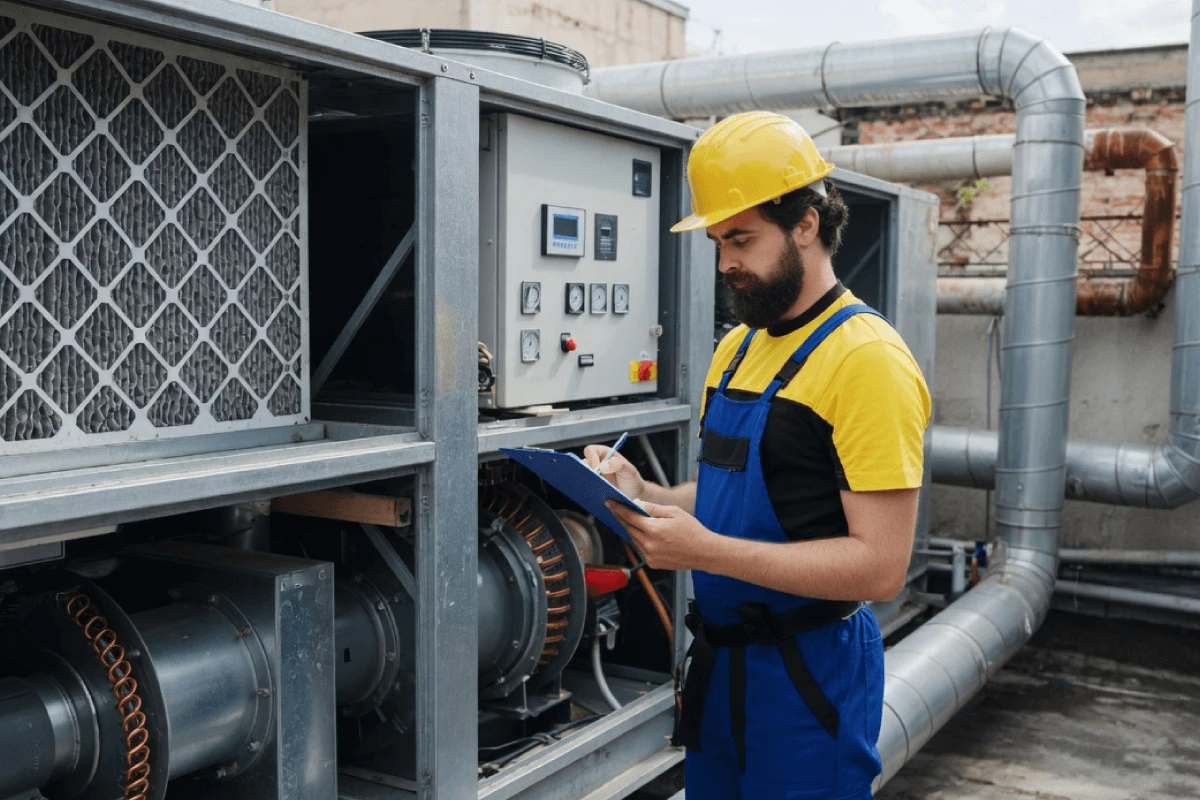
Walk into any commercial building, and you're surrounded by systems quietly doing their job: pipes carrying water, ducts moving air, equipment maintaining temperature. When everything works, no one notices. When something fails, everyone does. That's the nature of plumbing and HVAC systems: invisible when healthy, impossible to ignore when they're not.
For facility managers, contractors, and building owners, keeping these systems in peak condition isn't just about comfort. It's about energy costs, code compliance, asset longevity, and the ability to respond quickly when something goes wrong. This article covers the practical side of that challenge, from everyday maintenance habits to the access solutions that make service work faster and safer.
Why System Efficiency Should Be a Top Priority
Inefficiency in plumbing and HVAC systems is rarely dramatic. It creeps in gradually, a filter that hasn't been changed, a duct with a small leak, a water heater slowly accumulating sediment. Left unaddressed, each of these quietly drives up operating costs and accelerates equipment wear.
On the HVAC side, leaky ductwork alone can account for significant energy loss. Condenser and evaporator coils caked with dust force the system to work harder for the same output. In hydronic systems, where plumbing and heating overlap, poor water pressure or mineral buildup in pipes can compromise the entire heating loop.
Plumbing systems have their own inefficiency traps. Sediment buildup in water heaters reduces heat transfer and shortens equipment lifespan. Hidden leaks, slow drips behind walls or under floors, waste water, and can quietly cause structural damage long before they're visible.
The common thread is that efficiency problems are almost always cheaper to prevent than to repair. A well-structured maintenance schedule is the single most effective investment a building owner can make.
Building a Maintenance Schedule That Actually Works
The word "maintenance" can mean anything from a quick visual check to a full system inspection. What matters is consistency and comprehensiveness. Here's a practical framework organized by frequency:
Monthly tasks:
- Inspect and replace HVAC air filters (more frequently in high-dust or high-occupancy buildings)
- Check vents and registers for blockages or airflow restrictions
- Scan visible plumbing fixtures for drips, slow drains, or water staining around connections
Quarterly tasks:
- Test programmable thermostat calibration and scheduling accuracy
- Inspect ductwork accessible panels for signs of leakage or damage
- Flush the water heater drain valves to clear sediment and verify the anode rod condition
Bi-annual tasks (spring and fall):
- Schedule a full HVAC inspection before each primary season, cooling in spring, heating in fall
- Check refrigerant levels and inspect evaporator and condenser coils
- Test pressure relief valves on boilers and hot water heaters
- Inspect all pipe insulation, especially in exposed or unconditioned spaces
Annual tasks:
- Full plumbing system inspection by a licensed plumber
- Ductwork inspection and sealing where needed
- Review system warranties and service records for any approaching end-of-life components
One often-overlooked step: document everything. A maintenance log not only helps with warranty claims, but it also gives technicians crucial context when diagnosing problems, and gives building owners data to make smarter capital replacement decisions.
The Role of Access in Effective System Maintenance
Even the best maintenance schedule fails when technicians can't actually reach the equipment. In commercial buildings, especially, HVAC components, shut-off valves, clean-outs, and distribution equipment are often located above ceilings, behind finished walls, or in confined mechanical spaces.
Poor access creates real problems. Inspections get skipped or rushed. Minor issues go undetected because reaching the source requires too much disruption. Emergency repairs take longer, and in a plumbing or HVAC emergency, every minute matters.
This is where thoughtful design and the right access hardware make a tangible difference. Whether you're planning a new build or retrofitting an existing space, building access points into the design around key mechanical components is one of the smartest decisions a project team can make.
For plumbing systems, this means clean-out access panels near major drain lines and shut-off valves, as well as access points above or below fixture connections in tiled or finished spaces. For HVAC systems, the considerations are similar but span a broader range of equipment from air handlers and damper mechanisms to refrigerant line connections and condensate drain traps.
As specialists in construction material testing equipment often note, access planning is most cost-effective when done at the design stage. Retrofitting access after construction is always possible, but it adds cost and sometimes requires significant disruption to finished surfaces.
HVAC Access Doors and Panels: Getting Service Right the First Time
For HVAC systems specifically, access hardware is a category worth understanding in detail. HVAC components are often embedded in ceiling plenums, wall cavities, or mechanical chase locations that require dedicated access points to service without tearing into finished surfaces.
The right access panel for an HVAC application needs to account for several factors: fire rating requirements (especially in rated assemblies), insulation continuity, the size of the equipment being accessed, and the frequency of use. A panel that gets opened once a year for annual inspection has different requirements than one that technicians access monthly to check a condensate drain.
Selecting quality HVAC access doors and panels for your project ensures that service technicians can reach coils, dampers, VAV boxes, and control components without improvised workarounds. Properly specified panels maintain the integrity of rated assemblies while providing clean, repeatable access, which matters both for code compliance and for the long-term condition of the surrounding structure.
When specifying access panels for HVAC applications, look for options that include: flush or recessed profiles appropriate for the finished surface, cam latch or key-lock hardware to prevent unauthorized access, and appropriate size clearances for the specific components being accessed. Manufacturers who specialize in access solutions for commercial construction can help match the right panel to each application.
Smart Technology and When to Upgrade
Modern building systems increasingly include smart monitoring features that support maintenance goals. Leak detection sensors can flag water intrusion before it causes damage. Smart thermostats and building automation systems track performance trends that make it easier to catch degradation early. Some water heaters and HVAC systems now include diagnostic readouts that surface fault codes directly to facility management platforms.
These tools are genuinely useful, but they don't replace physical maintenance; they complement it. A sensor that detects a leak still requires a technician to reach the source. A fault code on a control board still requires hands-on inspection. The foundation remains physical access, proper scheduling, and qualified technicians.
As for upgrades: if your HVAC system is more than a decade old, it's worth evaluating whether efficiency gains from a newer system could offset replacement costs. Current SEER2 standards mean that new equipment is meaningfully more efficient than systems installed even a few years ago. The same analysis applies to older plumbing fixtures and water heating equipment, where low-flow and condensing technologies can deliver significant long-term savings.
Final Thoughts
Plumbing and HVAC systems are long-term investments that pay returns through comfort, efficiency, and reliability or extract costs through neglect. The difference usually comes down to consistency: consistent maintenance, consistent documentation, and consistent attention to the access infrastructure that makes service work practical.
Whether you're managing a single commercial building or overseeing a portfolio of properties, the fundamentals don't change. Know your systems, schedule their care, and make sure the people responsible for that care can actually reach what they need to. Everything else builds from there.
Share our story - the 2025 version is available